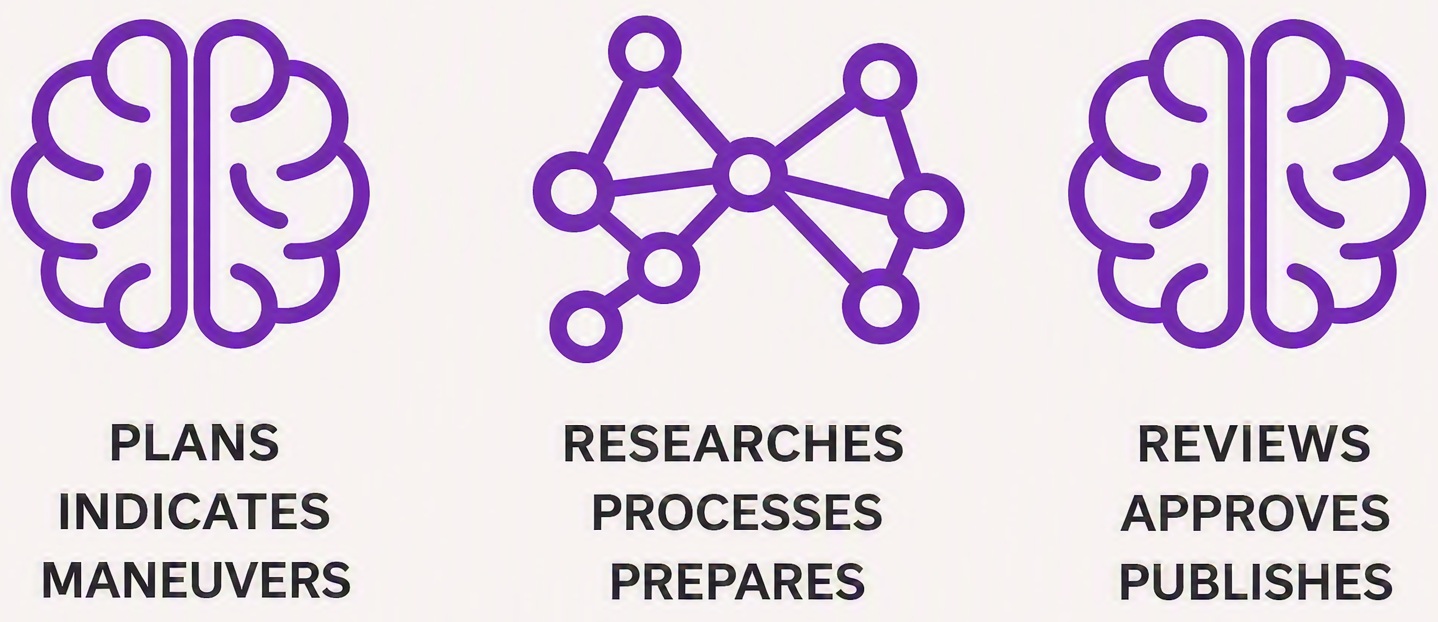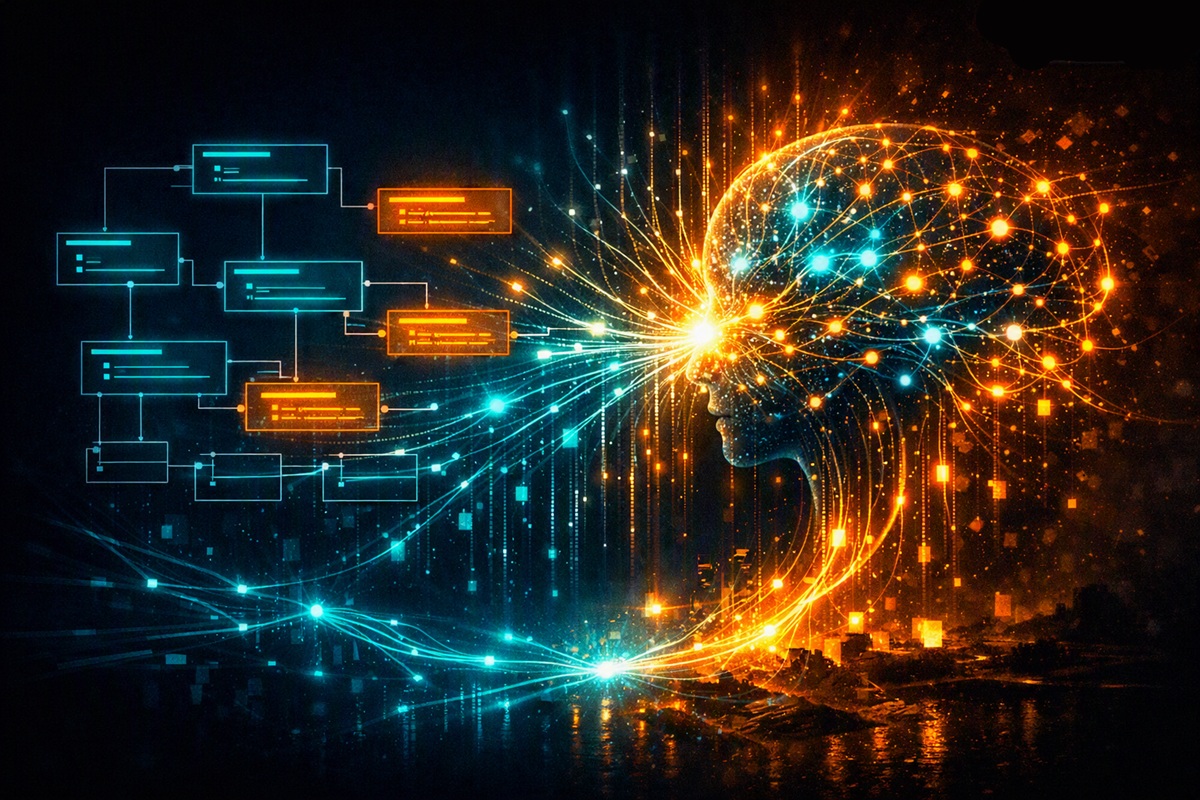
On July 27, 2026, NVIDIA Labs announced NOOA (NVIDIA Object-Oriented Agents) — an open-source Python framework for building AI agents. The premise is radical in its simplicity: an agent is a Python class.
Methods are the actions the model can execute. Fields are the agent's state. Docstrings are the prompts. Type annotations are contracts that the runtime enforces. A method with a ... body is completed at runtime by an LLM loop. A method with normal Python code remains deterministic.
Why this matters
Agent development today is fragmented across prompt templates, tool schemas, callback code, and workflow graphs — four different abstractions to represent a single entity. NOOA collapses everything into one class.
The practical consequence: agent behavior can be tested, tracked, refactored, and versioned like normal software. Developers use the same tools they already know — pytest, ruff, pyright — instead of the proprietary infrastructure of each framework.
The benchmarks
NVIDIA reports: 82.2% on SWE-bench Verified, 86.8% on CyberGym L1 (vulnerability rediscovery, with GPT-5.5 and blocked network access), and 85.1% average on ARC-AGI-3. The framework is model-agnostic — it works with any LLM via LiteLLM, including hosted APIs, Ollama, and vLLM endpoints.
The security warning that NVIDIA does not hide
The repository is direct about the risk: NOOA can be configured to execute LLM-generated Python, which can transmit private data, delete files, or modify the environment. AST checks and module deny-lists are defense-in-depth controls — not a containment boundary. The containment boundary is OS-level isolation: container, VM, or NVIDIA's OpenShell.
For regulated production: await stable release. For research teams, AI startups, and enterprise platforms in pilot: available now as a research preview. Installation: pip install nooa (v0.0.8, released Jul 30, 2026, Python 3.12–3.13).
The larger context
NOOA is NVIDIA's main contribution to the Open Secure AI Alliance, a 37-member alliance formed by the company to build and share open-source and open-weight tools for AI development. The strategic signal is clear: NVIDIA wants to be the operating system of agent development, not just the hardware provider.