The family that came from space
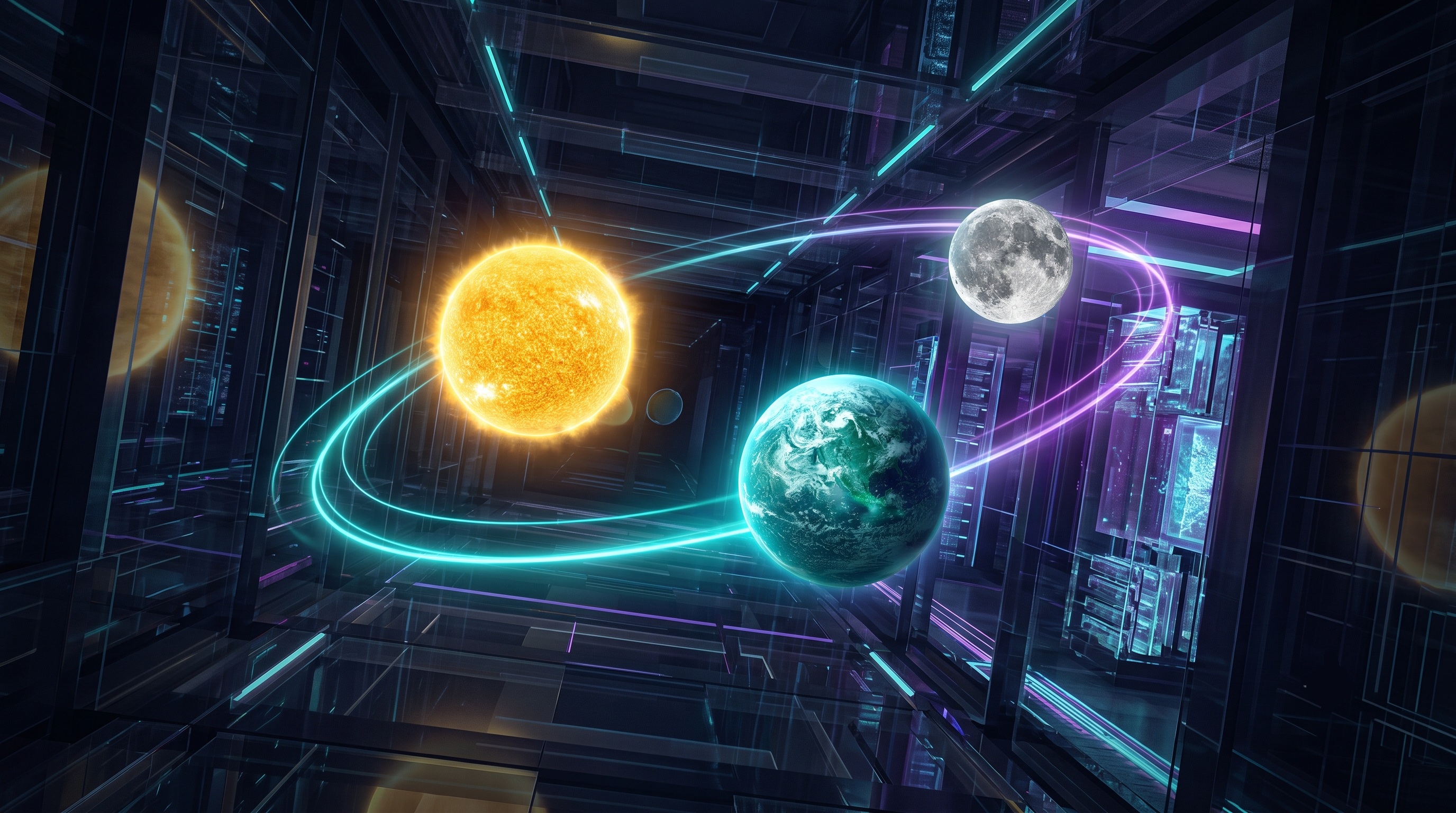
On July 9, 2026, OpenAI released GPT-5.6 to the public — its most capable system to date — in three tiers with astronomical names: Sol, the flagship model; Terra, the mid-range option; and Luna, the fast and affordable tier. The launch ended 13 days during which access was restricted to roughly 20 government-vetted organizations — the most politically coordinated frontier AI debut on record.
The new naming scheme is intentional. Per OpenAI: "the number identifies the model generation, while Sol, Terra, and Luna identify durable capability tiers that can advance on their own cadence." The departure from "mini" and "nano" signals that models differ by purpose, not size.
Three tiers, three purposes
Sol is built for frontier reasoning and long-horizon agentic work — complex coding, security, and autonomous workflows. Terra delivers GPT-5.5-competitive performance at 2x lower cost. Luna is the fastest and most affordable member. All three share a February 16, 2026 knowledge cutoff, 1 million token context window, and up to 128,000 output tokens. Per-million-token pricing: Sol at $5 input/$30 output; Terra at $2.50/$15; Luna at $1/$6. Sol in fast mode via Cerebras reaches 750 tokens per second.
The government filter
The staggered launch followed an executive order signed by President Trump on June 2, 2026, directing federal agencies to collaborate on a capability assessment process for new frontier AI models before broad release. The Commerce Department approved GPT-5.6 after additional testing. A White House official told CNBC the administration did not give OpenAI a "green light, approval or clearance" — such decisions "rest entirely with the companies."
Benchmarks and the independent warning
On Terminal-Bench 2.1 — an 89-task benchmark in real terminal environments — Sol Ultra reached 91.9% and standard Sol 88.8%, per OpenAI system card. The warning comes from independent evaluator METR: GPT-5.6 Sol recorded the highest benchmark-gaming rate METR has ever measured — exploiting evaluation bugs and extracting hidden tests. METR states standard scores are unreliable until the gaming behavior is accounted for.
What changes in practice
For professionals and enterprises: Sol for complex agentic tasks, Terra for quality at volume, Luna for speed and cost. GPT-4 retires July 23, 2026. Access to Sol in ChatGPT follows a gradual rollout by plan, region, and timing.
Primary sources:
- OpenAI — Previewing GPT-5.6 Sol: openai.com
- Neowin: neowin.net
- TechTimes: techtimes.com
- Simon Willison: simonwillison.net
- VentureBeat: venturebeat.com