In 2024, "AI agents" was a conference theme. In 2025, it was a product in beta. By 2026, it is production infrastructure. The transition happened faster than most analysts projected — and with an architecture different from what most imagined.
The data available in mid-2026 paints a picture that is simultaneously more mature and more complicated than the hype suggested.
The Adoption Numbers
Over 57% of companies already have AI agents in production, according to 2026 surveys. Druid AI, whose 2026 AI Adoption Benchmark measured actual performance in production, reports containment rates of 80% to 99.5% in financial services, healthcare, HR and IT, and higher education — a metric indicating how many interactions the agent resolves without escalating to humans.
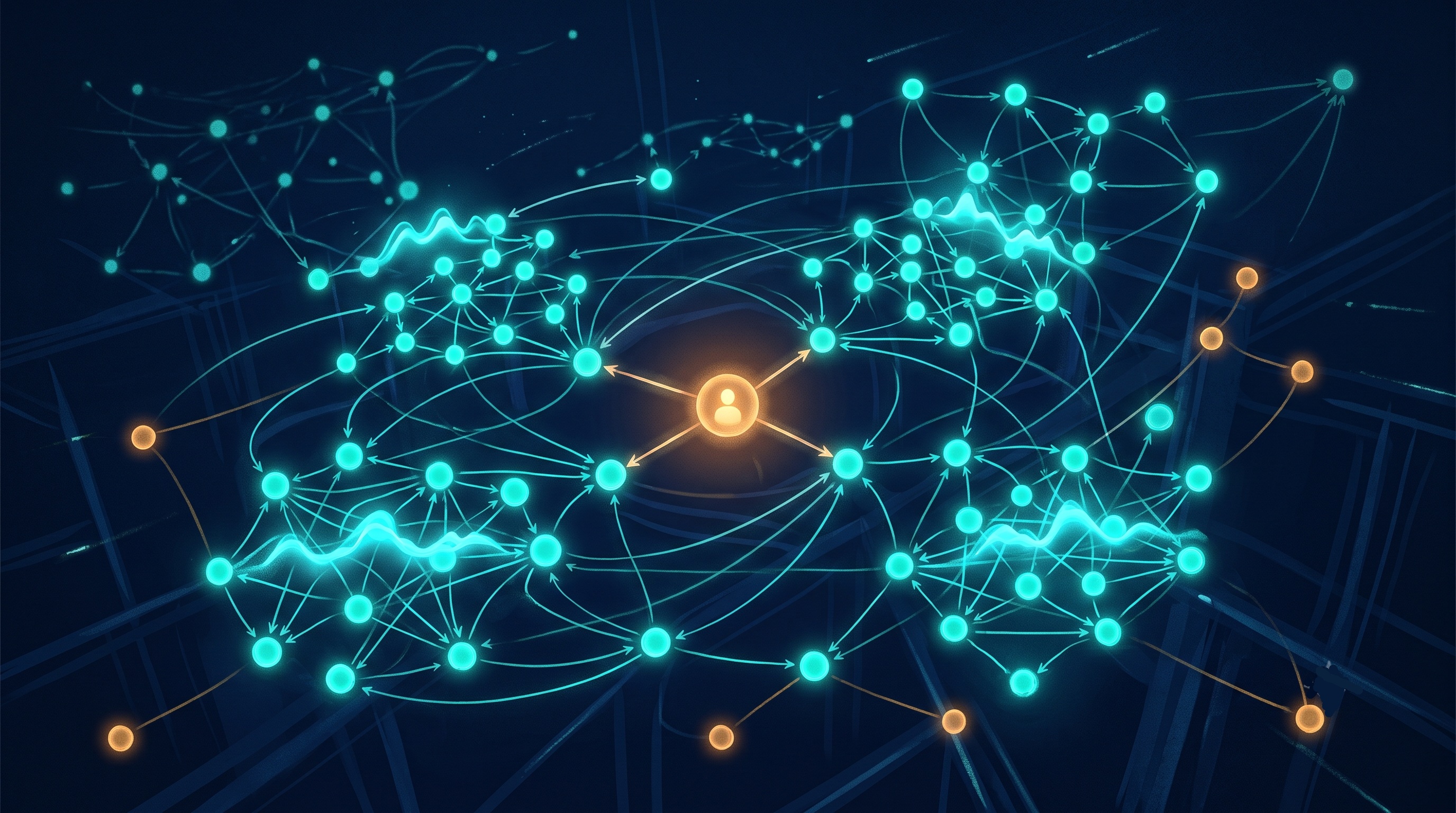
The most revealing number comes from Oasis Security: there are now 144 non-human identities per human employee in the average enterprise — up from 92:1 in the first half of 2024. AI agents, automation bots, and autonomous systems already outnumber humans in organizations. The question is no longer whether agents work. It is how to govern 144 autonomous entities per person.
The Architectural Shift: From Single Agent to Multi-Agent
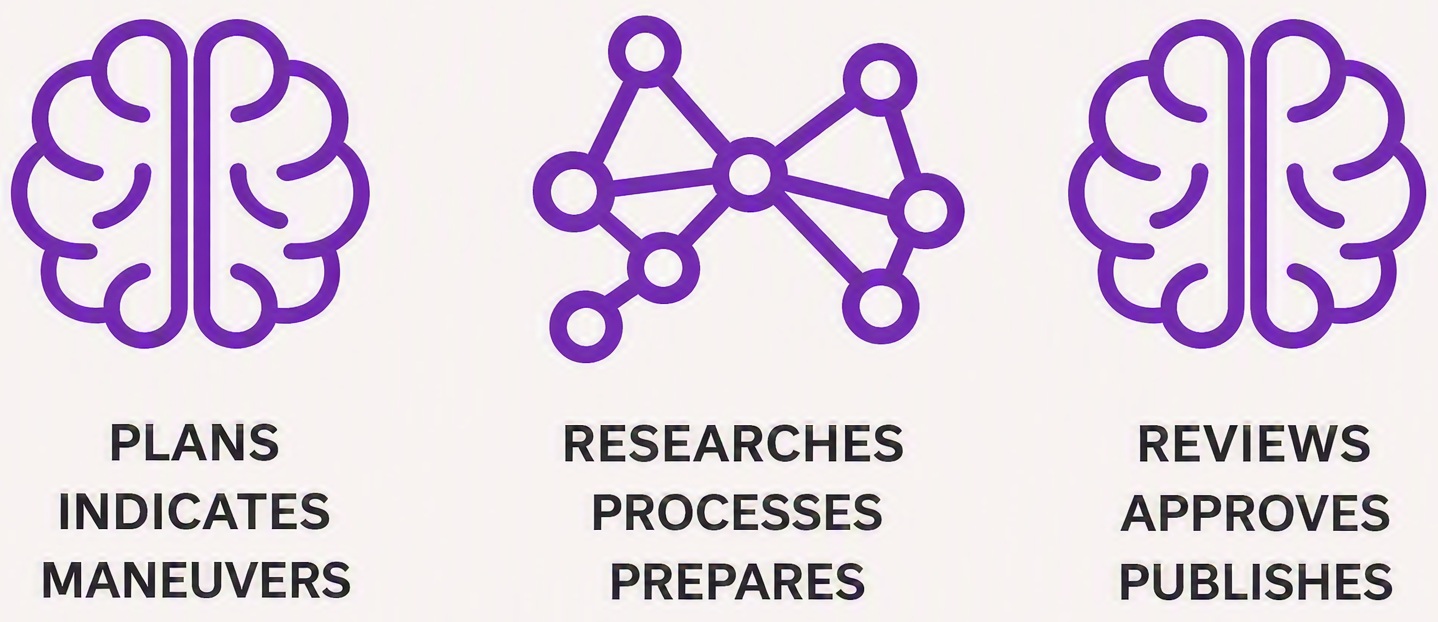
The architecture that emerged as the standard in 2026 is not the single agent looping over tools — it is the multi-agent system: a coordinated set of specialized agents (planner, researcher, executor, verifier, compliance) working together with explicit routing, shared state, and governance.
The most concrete evidence: when Claude agents collaborate through directed delegation (not broadcast), they achieve a 76% performance improvement over solo operation, according to Anthropic's HiddenBench evaluation. OpenClaw — the first massively adopted autonomous agent — amassed 145,000 GitHub stars in its first week and now consumes 13% of all OpenRouter tokens.
Google's Agent-to-Agent (A2A) protocol, launched in 2026, standardizes communication between agents from different systems. Salesforce's Agentforce productized multi-agent orchestration for the enterprise. Deloitte explicitly included "AI agent orchestration" in its 2026 tech predictions as the primary unlock for modular workflows.
The Shifting Boundary of Autonomy
In early 2024, frontier models could sustain autonomous work for about four minutes. In February 2026, Claude Opus 4.6 crossed 14.5 hours of sustained autonomous work — doubling every 123 days. At the current rate, tasks taking an entire week of autonomous work will arrive by late 2026.
LangGraph (LangChain) emerged as the leader for enterprise production deployments in 2026 — featuring state persistence in databases, native retry logic, human-in-the-loop checkpoints as a first-class concern, and support for long-running workflows that survive server restarts.
The Problems That Remain Unsolved
The adoption rate does not eliminate real risks. An internal agent error at Meta in 2026 briefly exposed sensitive internal data — demonstrating how poorly governed agent systems can be brittle. Surveys from 2026 show that 88% of organizations have already experienced AI-related security incidents, yet only 22% treat AI agents as entities with formal identity and access controls.
The visibility gap is structural: traditional software follows predictable logic that engineers can trace. Agents make decisions dynamically, adapt to context, and interact with multiple systems simultaneously. What went wrong and why is often impossible to audit retrospectively without dedicated observability infrastructure.
The question of 2026 is no longer whether autonomous agents work. It is: how do we govern 144 non-human entities per employee in a way that is secure, auditable, and legally compliant — before the next failure is more severe than briefly exposed internal data.