The Problem with How Most People Use AI
Most people use AI in a fragmented way: ChatGPT for one thing, Gemini for another, an image tool here, a PDF summarizer there. The result is chaotic — no memory between sessions, no specialization, no real productivity gain. A stack is different: it is a set of complementary tools that form a system.
The good news: with R$50 per month — about US$10 — you can build a robust stack. Here is how.
Principle 1: Choose a Main Model and Stick With It
The biggest mistake is constantly switching models. Each model has its own quirks — response styles, strengths, limitations. When you work consistently with one model, you learn to format your prompts to get the most out of it.
For most Brazilian users in 2026, the recommendation is clear: Gemini Advanced at R$49.90/month fits the budget perfectly and offers native integration with Google Workspace. If you can stretch to R$100, Claude Pro is the most versatile for knowledge work.
Principle 2: Add Specialization, Not Generalism
The main model solves 80% of tasks. The other 20% need specialized tools — but you don't need to pay for all of them. Many have free plans sufficient for personal use: Perplexity AI for research with citations, Adobe Firefly for images (25 free credits/month), Whisper Web for transcription (free, runs in browser), and Make.com for automation (free plan with 1,000 operations/month).
Principle 3: Build Memory and Context
The biggest differentiator between a casual and an advanced AI user is not the model — it is context. Advanced users maintain personal context documents that they paste at the beginning of each important session: who they are, their communication style, active projects, and constraints.
The R$50 Stack in Practice
A concrete setup for a Brazilian knowledge worker: Gemini Advanced (R$49.90/month, includes 1TB Google One), Perplexity free (5 Pro searches/day), Adobe Firefly free (25 credits/month), Whisper Web free, Make.com free (1,000 ops/month). Total: R$49.90/month.
How to Use the Stack Systematically
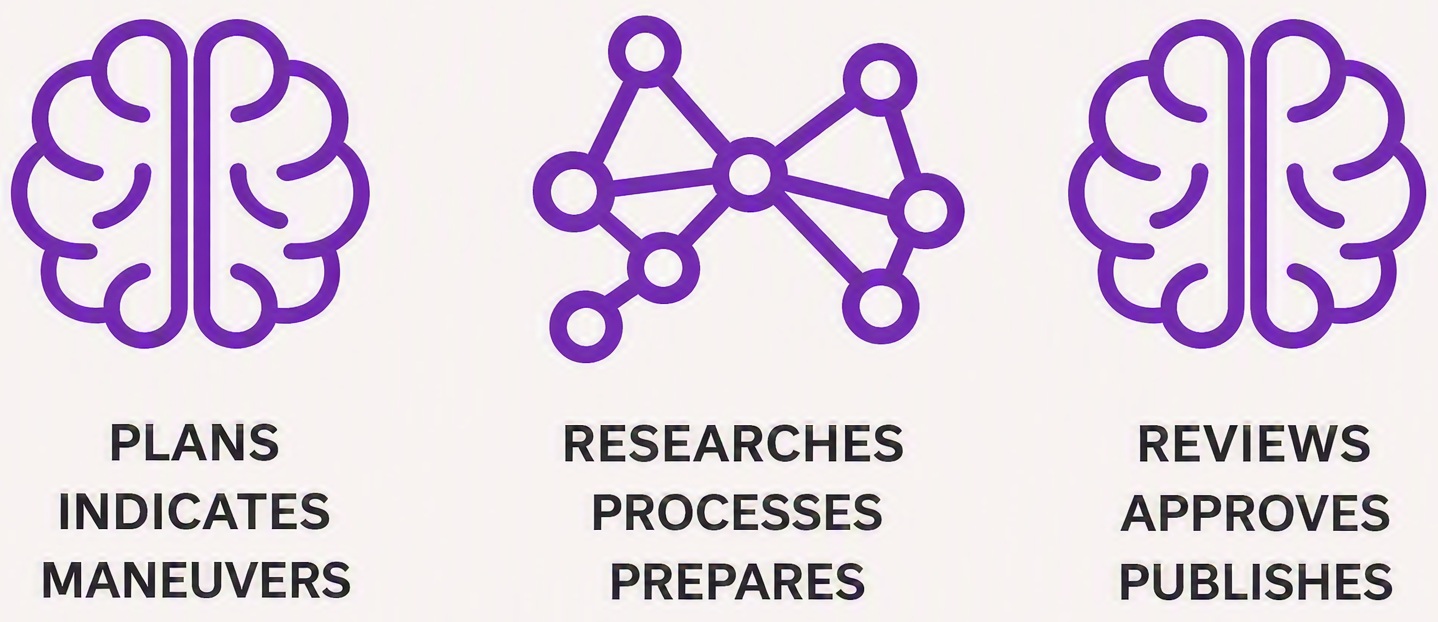
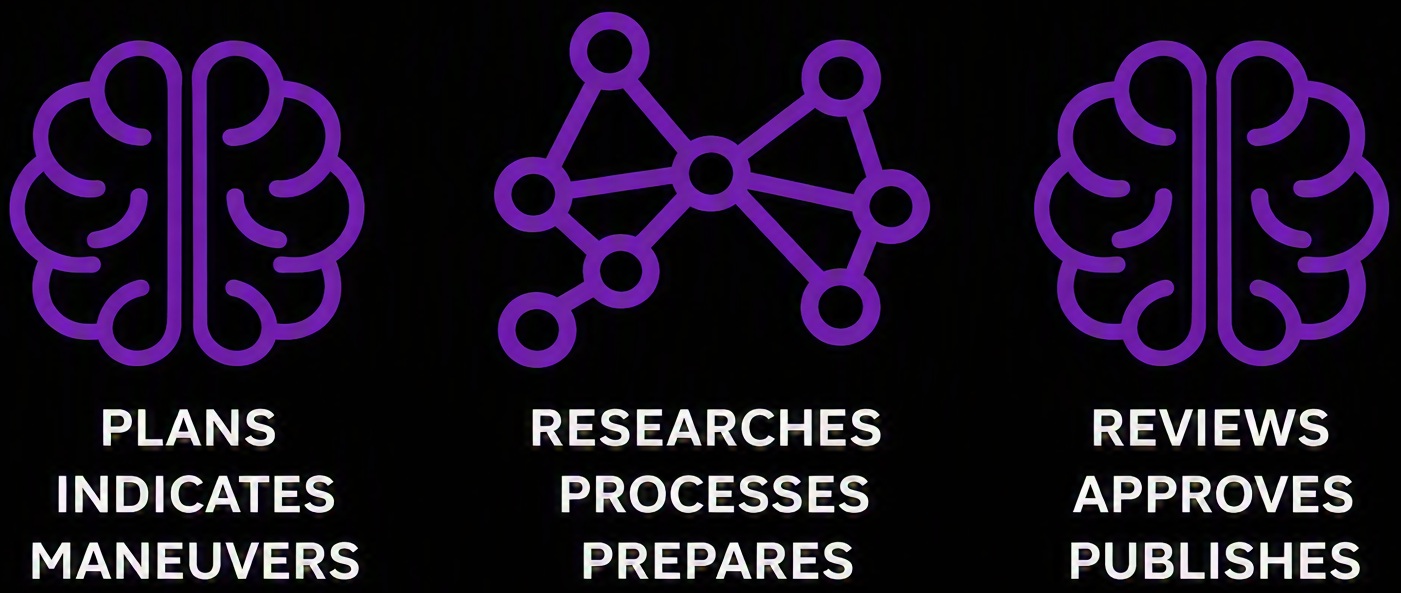
Having the tools is not enough. What multiplies productivity is the system of use: a 15-minute morning routine using the main model to plan the day; identifying repetitive tasks during work and delegating them to the stack; and a 5-minute end-of-day review of what worked and what did not.
When an Upgrade Makes Sense
The R$50 stack has clear limits: no video generation, no advanced coding models, no large-scale image analysis. The practical rule: if AI already saves you more than 2 hours per week, any subscription below R$200/month pays for itself.
The Stack is About Habits, Not Tools
The difference between someone who uses AI as a toy and someone who uses it as a multiplier is not the plan they subscribe to. It is the discipline of building context, the consistency of use, and the willingness to iterate. R$50 per month and a clear system are worth more than R$500 in subscriptions without method.