The state of adoption: almost universal, deeply unequal
The State of AI in Marketing report (Averi, April 2026) documents an unprecedented transformation in the pace of adoption: in two years, the percentage of teams that do not use AI for blog creation dropped from 65% to 5%. But the most important data point is not adoption — it is the usage model. Only 73% combine AI with human writing, which produces stronger results. Only 5% rely predominantly on AI without human supervision. And only 23.3% of companies have AI agents integrated into their marketing stacks in production.
The rest — approximately 50% of marketing teams — operate at what Averi calls "Level 1": disconnected AI tools that do not share context, do not maintain brand voice, and do not compound in value. The result is content technically produced with AI but without consistency, without real personalization, and without compounding — each piece starts from scratch instead of building on what came before.
What differentiates those who grow from those who waste
Alai Blog's analysis (June 2026) of successful use cases identifies three characteristics that separate high-performing teams from the rest in AI communication:
Brand voice training: Tools like Jasper and Writer allow feeding approved content examples to calibrate the brand's tone and style. Teams that invest in this initial setup produce consistent content at scale. Teams that use generic models without calibration produce volume — but homogeneous volume without brand identity.
Connected workflows, not isolated tools: The highest ROI pattern in 2026 connects generation (Jasper, Claude, GPT), optimization (Surfer SEO, MarketMuse), distribution (automations in Make or Zapier), and analysis (HubSpot AI, Salesforce Einstein) in a continuous flow. Campaign Monitor documents a case where sports brand On generated 20% of total e-commerce sales via email, with personalized sends generating 10% more engagement — the result of an end-to-end AI flow, not a tool used in isolation.
Structured human review: The most counterintuitive finding of 2026: the best AI content teams are not the ones that automated the most — they are the ones with the most structured human review process. Workday's data on 40% of time savings consumed by rework applies directly to content: AI without review creates volume that looks like productivity but hides a quality cost.
Tools by use case in communication
The analysis by Canto (July 2026) and DesignRush (March 2026) maps the highest impact tools by category:
Text creation and editorial content: Claude and GPT-5 for deep analysis and writing; Jasper and Copy.ai for marketing volume and variations; Writer for brand voice consistency at enterprise scale. MarketMuse stands out for content strategy — gap analysis and opportunity identification before writing a single word.
Visual communication: Midjourney and Sora (video) for original content; Canva AI for template adaptation at scale; HeyGen for videos with avatars in 40+ languages — particularly relevant for global communication without local production teams.
Email and direct communication: AI email platforms (Campaign Monitor, ActiveCampaign, HubSpot) now filter bot clicks, personalize content by segment, and automatically optimize send times. The 2026 benchmark for AI email personalization: 10% more engagement vs. non-personalized sends (Campaign Monitor).
SEO and visibility in generative AI: The new field of GEO (Generative Engine Optimization) emerges in 2026 — optimizing content to appear in AI-generated answers (ChatGPT, Perplexity, Google AI Overviews) instead of just traditional search results. The strategies are different from classic SEO: focus on thematic authority, citability, and a structure that facilitates extraction by LLMs.
The risk no one mentions: synthetic content and trust
The European AI Act made it mandatory on August 2, 2026, that AI-generated content published on matters of public interest be labeled as such. But the deeper debate in communication is not regulatory — it is about audience trust.
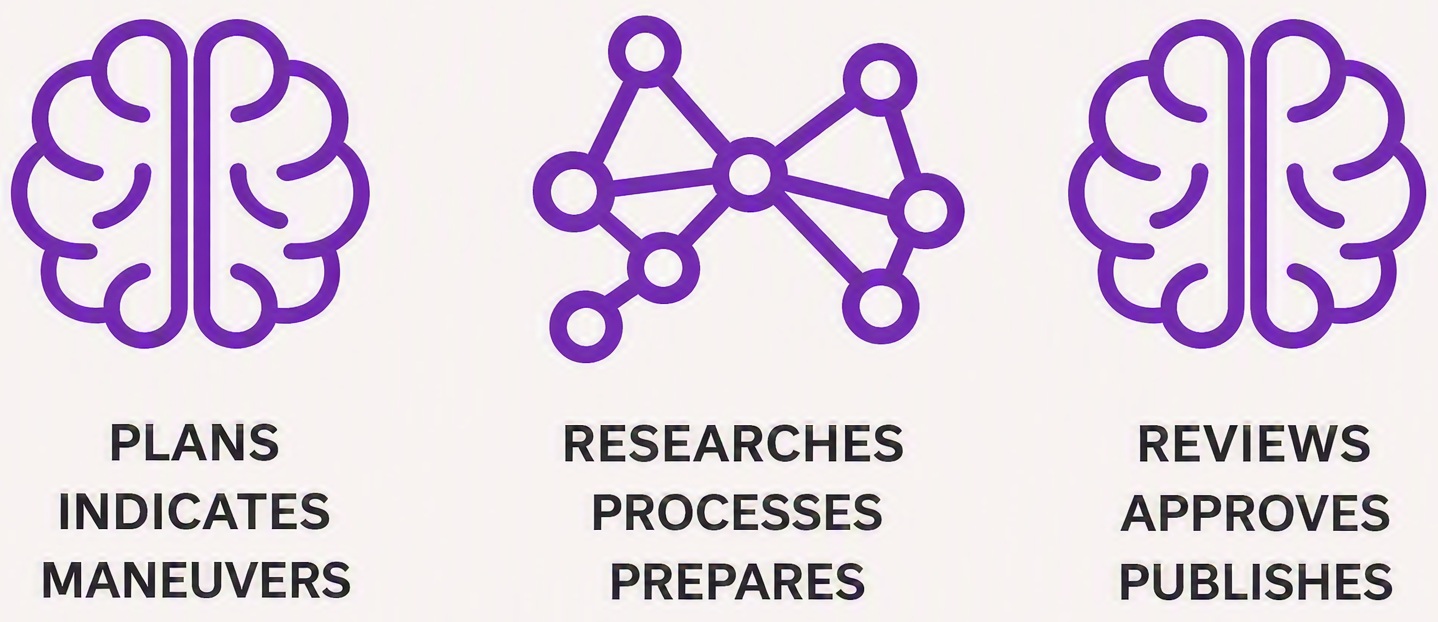
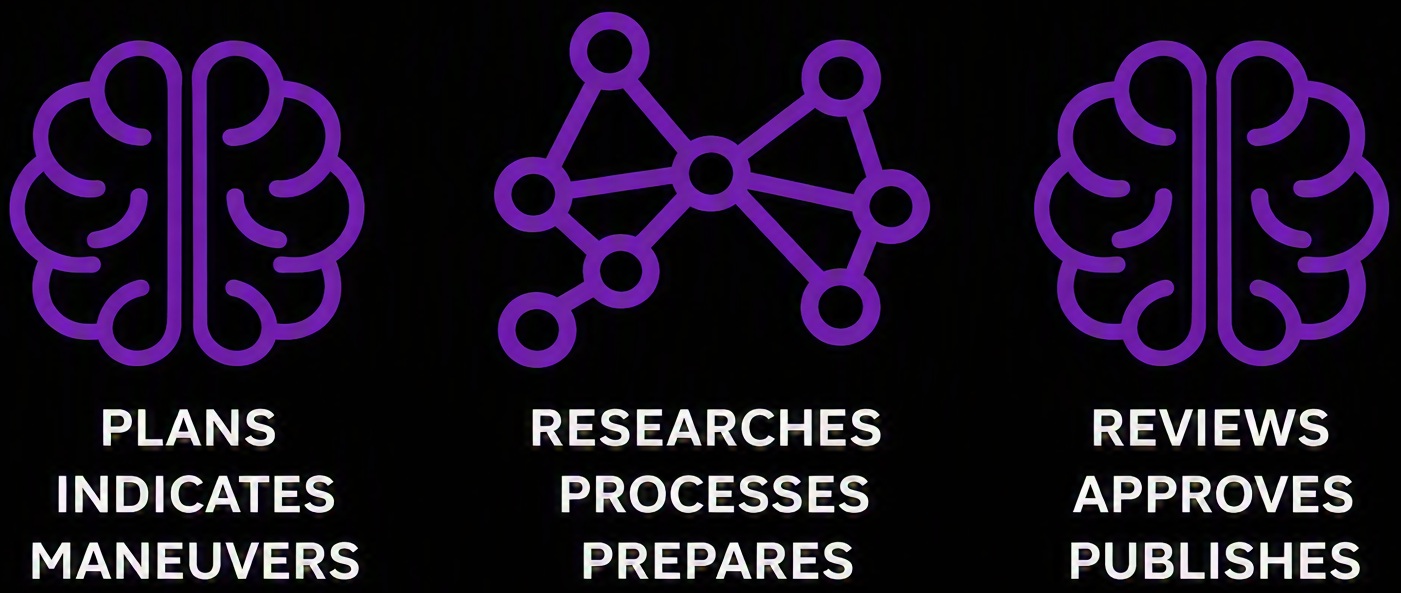
Averi's research shows that the AI + human supervision combination produces superior results to pure AI — and to pure human writing, in speed. The winning model of 2026 is not "replace writers with AI" nor "ignore AI on principle": it is using AI to produce drafts, research, and variations, with humans adding editorial judgment, factual verification, and authentic voice.
For professional communication, this means that the competitive differential in 2026 is not having access to AI tools — it is having the human process around them.